BPC-157: who sells it, COA checklist and US status
122 online research vendors and 597 clinics, telehealth services and pharmacies list BPC-157. Verified businesses are listed first; everyone else is alphabetical or by public review count, never ranked by us. Nothing here is medical or dosing advice. How verification works.
What BPC-157 is
BPC-157 is a synthetic peptide made of 15 amino acids. A peptide is a short chain of amino acids, the building blocks of proteins.
Its sequence comes from a protein found in human gastric juice. The compound itself is made synthetically.
US regulatory status
FDA's page on certain bulk drug substances for use in compounding (April 22, 2026) lists BPC-157 among substances that were previously in Category 2 under FDA's compounding interim policies. The nominations for these substances were withdrawn by the nominators. FDA's Pharmacy Compounding Advisory Committee reviewed BPC-157 for possible inclusion on the 503A bulks list at its July 23 to 24, 2026 meeting.
On October 30, 2026, HHS published its notice Enforcement Discretion Policy Regarding 503A Compounding Using Certain Peptide Bulk Drug Substances (Federal Register, Docket HHS-OASH-2026-0496). It sets out an interim enforcement discretion policy for 503A compounding with six peptides: BPC-157, TB-500, epitalon, Semax, KPV and MOTS-c. The notice says it is not binding and does not add them to the 503A bulks list. Compounded drugs are not reviewed by FDA before sale. This is a summary as of November 18, 2026. Readers should check the FDA pages linked below for the current status.
Sources (checked Nov 18, 2026):
- FDA, Certain bulk drug substances for use in compounding that may present significant safety risks, Apr 22, 2026
- FDA, Pharmacy Compounding Advisory Committee meeting, July 23 to 24, 2026, Jul 23, 2026
- HHS notice, Enforcement Discretion Policy Regarding 503A Compounding Using Certain Peptide Bulk Drug Substances (Federal Register, Docket HHS-OASH-2026-0496), Oct 30, 2026
What a complete COA for BPC-157 shows
A complete certificate of analysis (COA) for BPC-157 should name the testing laboratory and give its contact details. It should list a batch or lot number that matches the number printed on the product label. It should also show the test date. This site counts a COA older than 12 months as out of date.
Identity should be confirmed by mass spectrometry, and the measured mass should match the expected molecular weight of BPC-157. Purity should be reported by HPLC (high-performance liquid chromatography), with the chromatogram included, not just a percentage. The report should also give the measured quantity per container and compare it with the quantity stated on the label.
BPC-157 is an injectable form, so the COA should also include endotoxin results (LAL test) and sterility results. A report that leaves out any of these tests is incomplete. Customers can ask the laboratory directly to confirm that a COA is genuine. A laboratory that issued a report can check it against its own records, including the batch number and test date.
Labs on verified BPC-157 COAs: lab names appear here once a verified business's BPC-157 COAs are confirmed with the issuing lab. How we confirm COAs.
What the label should show
A research vendor's label should show the compound name and the salt form, if there is one, along with the quantity per container. It should show a batch or lot number that matches the COA, a manufacture or expiry date, and storage conditions. It should also carry for research use only labeling.
A pharmacy-dispensed prescription label looks different. It should show the patient's name, the prescriber, the pharmacy name and license details, the drug name and strength, directions as written by the prescriber, and the fill date. These are different products sold under different rules, so a label for one should not be read as if it were the other.
Who lists BPC-157
A total of 124 online research vendors list BPC-157 on LegitPepCheck. They sell products labeled for research use only. A total of 580 local clinics, med spas and pharmacies mention it on their own websites. They provide prescription products through licensed prescribers and pharmacists. Listings are not rankings. Verified businesses appear first. Not Verified does not mean unsafe.
Online research vendors (sold for research use only)

































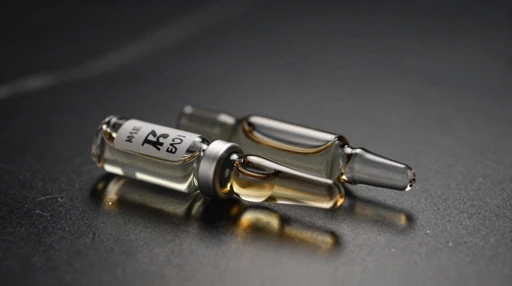


Clinics, telehealth and pharmacies (prescription, from licensed providers)
These businesses provide prescription products through licensed prescribers and pharmacists; research use only labeling does not apply to them. Local listings are businesses whose own website mentions BPC-157; we have not confirmed what they offer.




















Showing 24 of 580 local providers, verified first, then by number of Google reviews. Browse by state: Florida (105), Texas (88), California (82), Arizona (32), Colorado (28), New York (25), New Jersey (21), Georgia (16), Tennessee (13), Utah (13), Pennsylvania (12), Illinois (10).
Facts on this page come from the sources named, each with its date. LegitPepCheck does not give medical, dosing or purchasing advice. Not Verified means a business has not completed our review, not that it is unsafe.